World Models: The Next AI Revolution That Could Change Everything
Beyond Language: AI That Understands Reality
Most AI excitement has centred on language models - ChatGPT, Claude, Gemini. They're impressive at understanding and generating text. But according to MIT Technology Review, the next big leap will come from something quite different: world models.
What Are World Models?
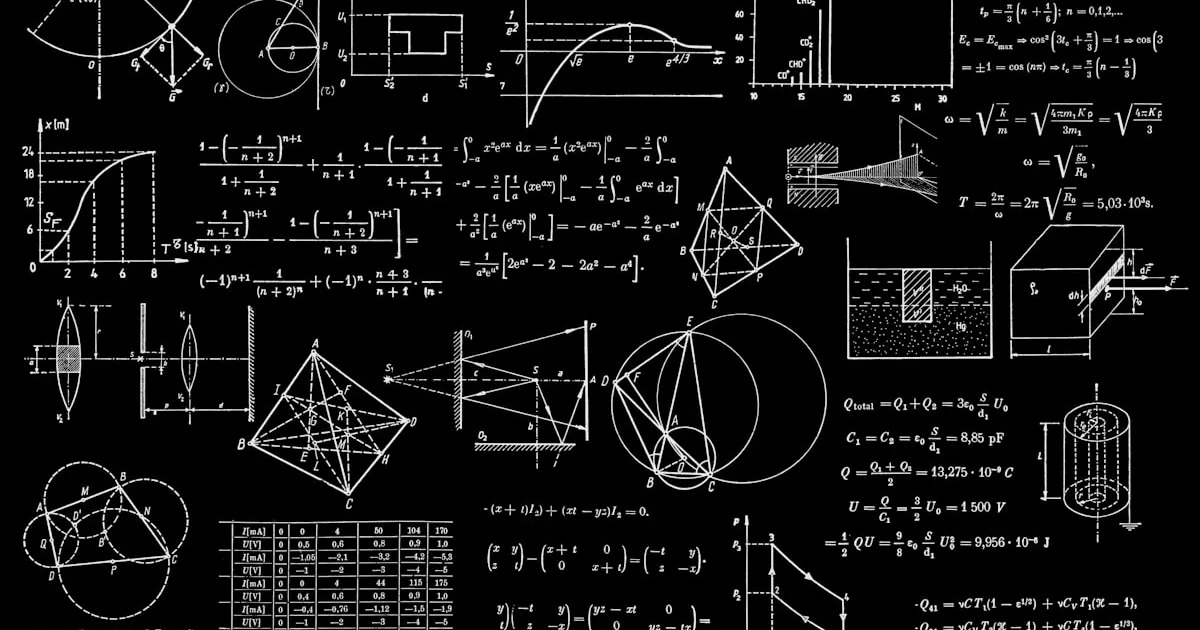
World models are AI systems that learn how things move and interact in 3D spaces. They don't just process language - they build internal representations of how the physical world actually works.
Think about it: a language model can describe how to stack blocks. A world model understands that blocks fall if not balanced, have weight, and can't pass through each other. That distinction is profound.
Why 2026 Is the Breakthrough Year
Several major developments are converging:
Yann LeCun's New Venture: Meta's legendary AI researcher has left to start his own world model lab, reportedly seeking a billion valuation.
Google DeepMind's Platform: They've launched their latest model for building 'real-time interactive general-purpose world models.'
World Labs Launches Marble: Fei-Fei Li's startup has released its first commercial world model. When three AI titans race in the same direction, something important is happening.
Business Applications of World Models
While still emerging, world models will transform several areas:
Robotics: Current robots are either pre-programmed or struggle with novel situations. World models could give robots genuine adaptability - understanding their environment and accomplishing tasks they've never seen before.
Design and Engineering: Imagine AI that truly understands physical constraints: 'Design a part that fits here, bears this load, and is 3D-printable.'
Simulation and Training: World models could provide vastly better simulated environments for training autonomous vehicles, warehouse systems, and industrial processes.
Video Generation: AI-generated videos currently have weird physics - objects pass through each other, gravity is inconsistent. World models could fix this by encoding actual physical laws.
What This Means for Your AI Strategy
According to IBM's 2026 AI trends analysis, businesses should:
- Continue investing in current AI applications - they're not going away
- Watch the robotics space if you have physical operations
- Consider the value of spatial data, 3D models, and physical simulations
- Stay informed without making premature bets on immature technology
Stay Ahead with Northern Codes
We help UK businesses navigate the evolving AI landscape. Whether you're ready to implement today's proven AI solutions or planning for tomorrow's capabilities, our AI consulting team can help you build a future-ready strategy.
Book a free strategy consultation
Frequently Asked Questions
What's the difference between language models and world models?
Language models (like ChatGPT) process and generate text based on patterns in language. World models understand how physical objects behave in 3D space - gravity, collisions, physics, spatial relationships. They're complementary technologies that will likely be combined.
When will world models be ready for business use?
Early commercial applications are emerging now (like World Labs' Marble), but widespread business adoption is likely 2-4 years away. The technology is promising but not yet mature. Current focus should be on proven AI solutions while monitoring world model developments.
Should I wait for world models before investing in AI?
No. Current AI technologies (language models, automation, computer vision) deliver real ROI today. World models will complement, not replace, these technologies. The best strategy is implementing proven solutions now while building flexibility for future capabilities.